Welcome to the Backyard Garden🪻
All plants in this garden are specifically selected to meet at least one of the following criteria:
- Edible fruit or vegetable
- Edible, culinary, or medicinal herb
- Pollinator friendly
- Companion planting
Plant Info
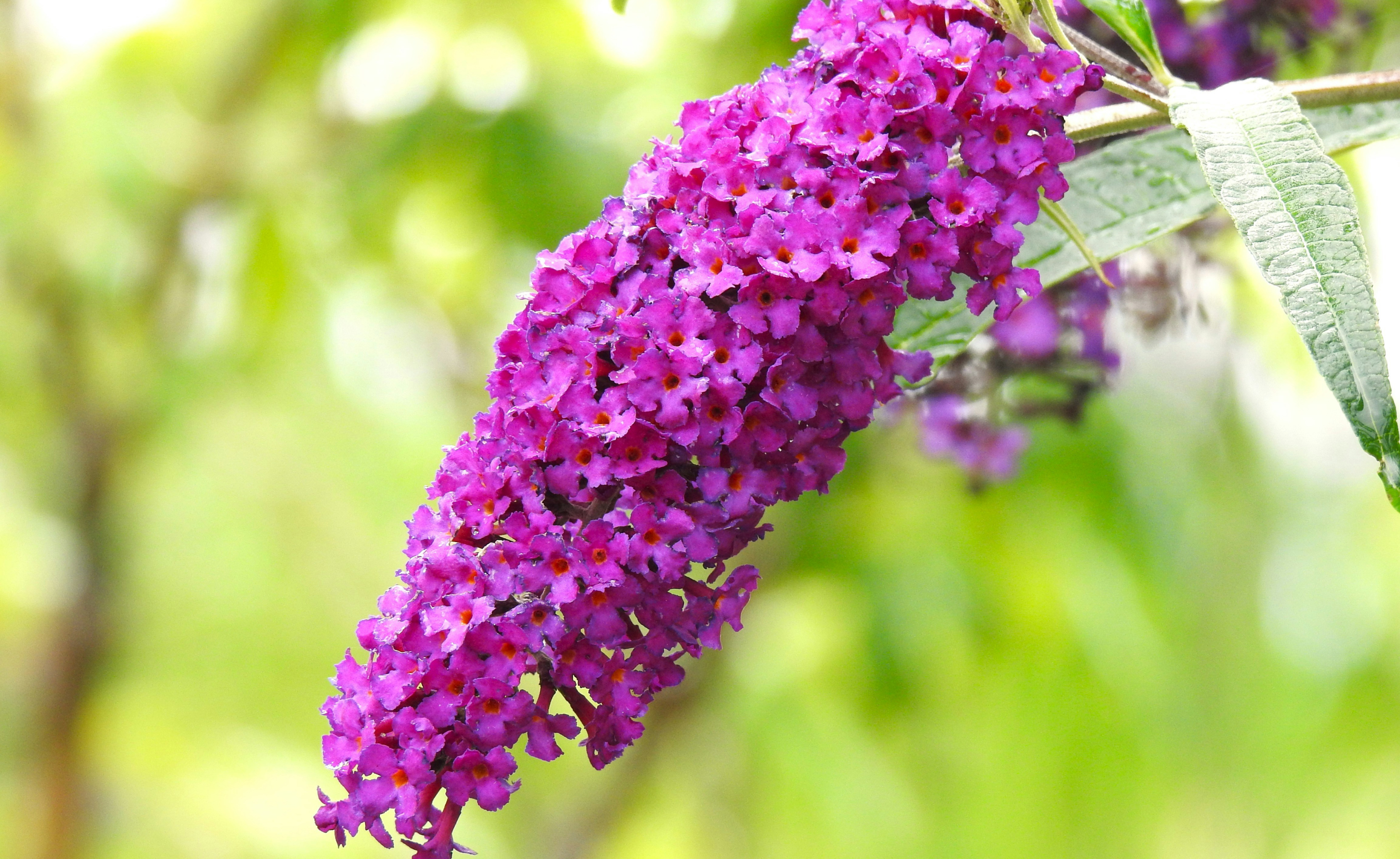
- Butterfly Bush is a perennial shrub that blooms early summer through fall
- It attracts butterflies and hummingbirds
- The Butterfly Bush is considered invasive in some areas
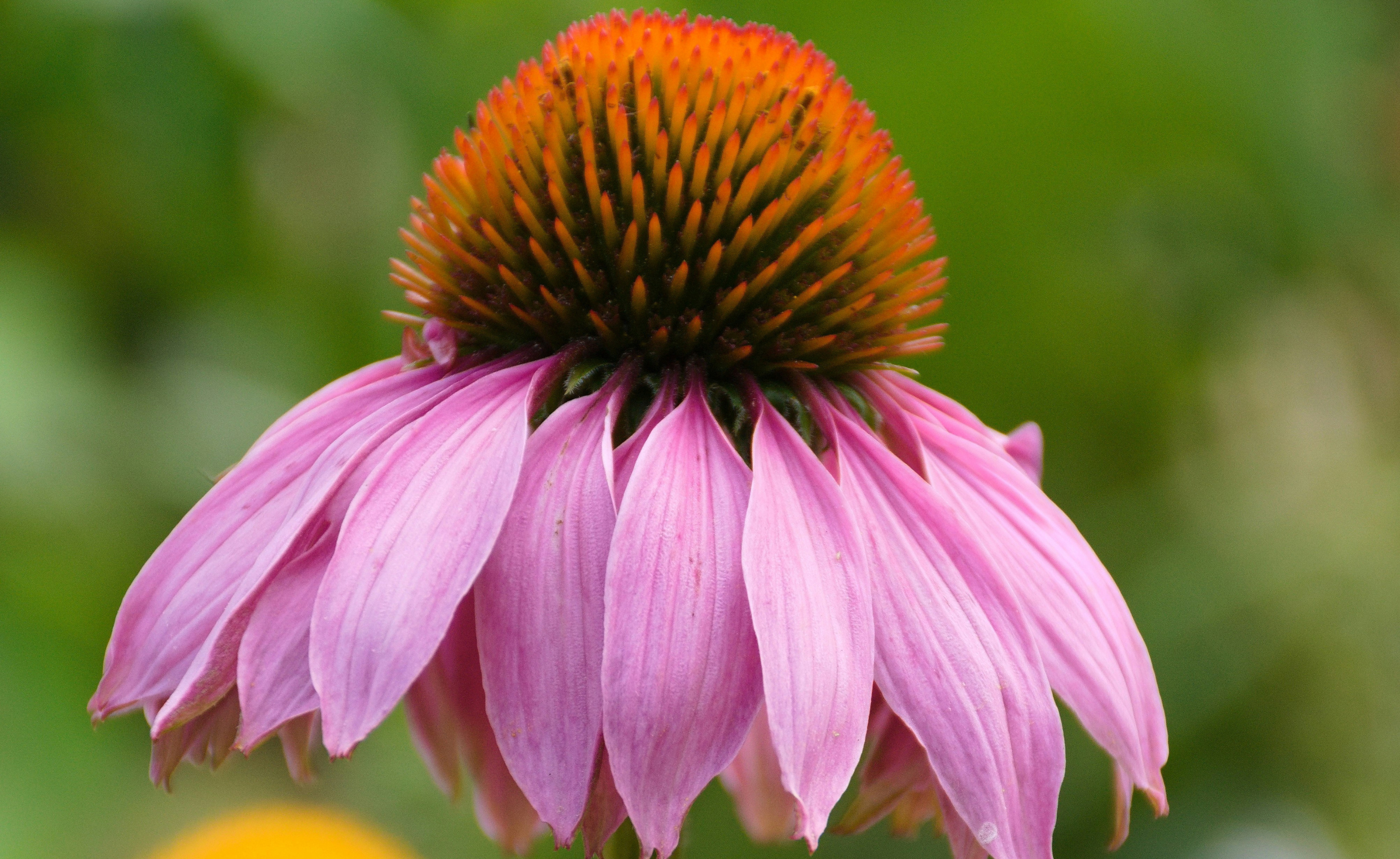
- Coneflower is a perennial plant that blooms June through September
- Bees and butterflies love them, deer tend to resist them
- They also attract beneficial insects such as ladybugs and lacewings
- The seeds are a favorite food of small birds
- Indigenous peoples used coneflowers for medication
- Coneflowers can be used to make a natural dye for fabric
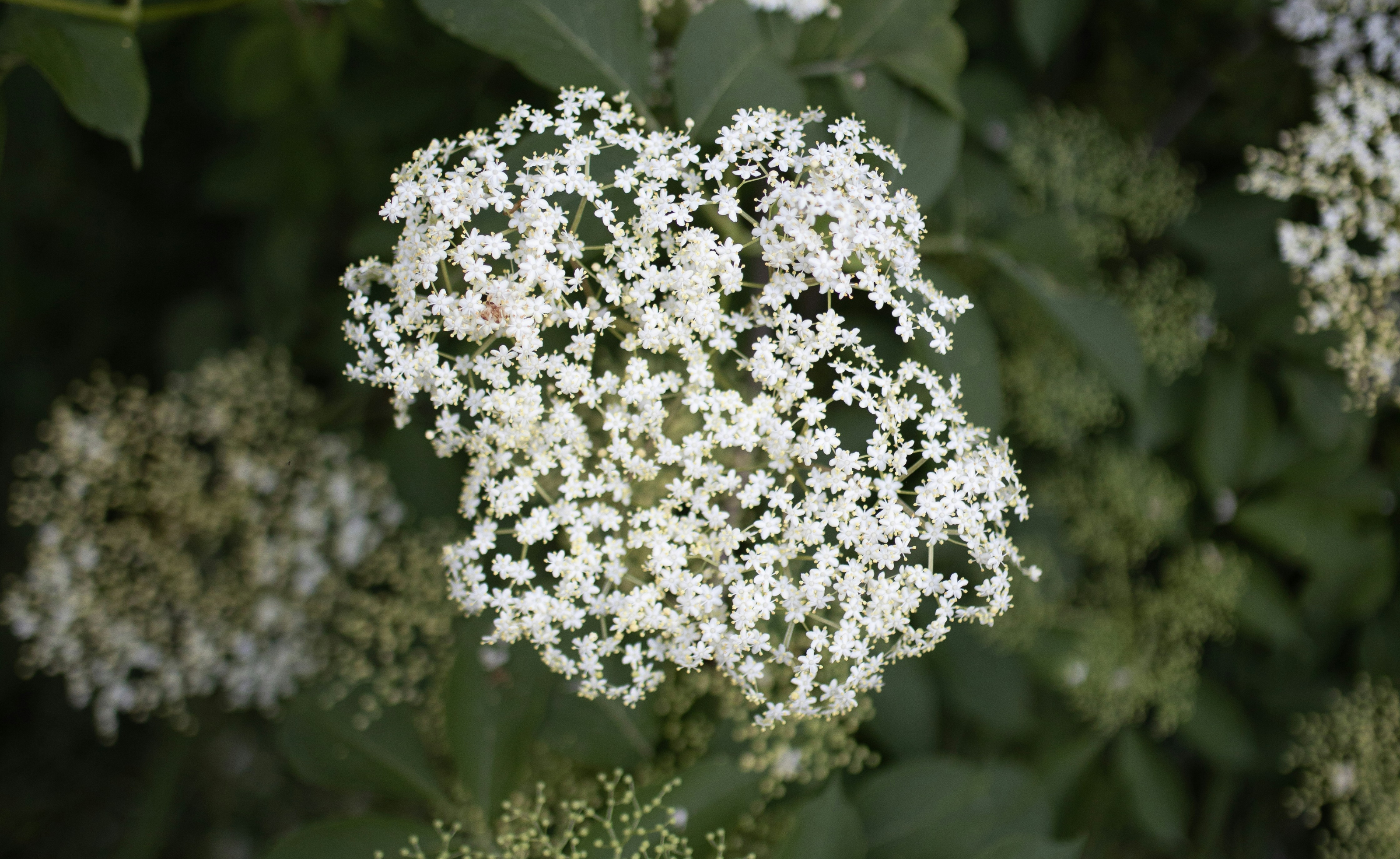
- Elderberry is a perennial shrub
- The late spring flowers provide pollen and nectar to various pollinators including bees, butterflies and hummingbirds
- Berries appear in summer, providing food for over 30 bird species and other wildlife
- NOTE: While the plant is easy to grow and maintain, it’s raw berries and other parts contain compounds that are toxic to humans and livestock if not property prepared when cooked into jellies, sauces, or wine
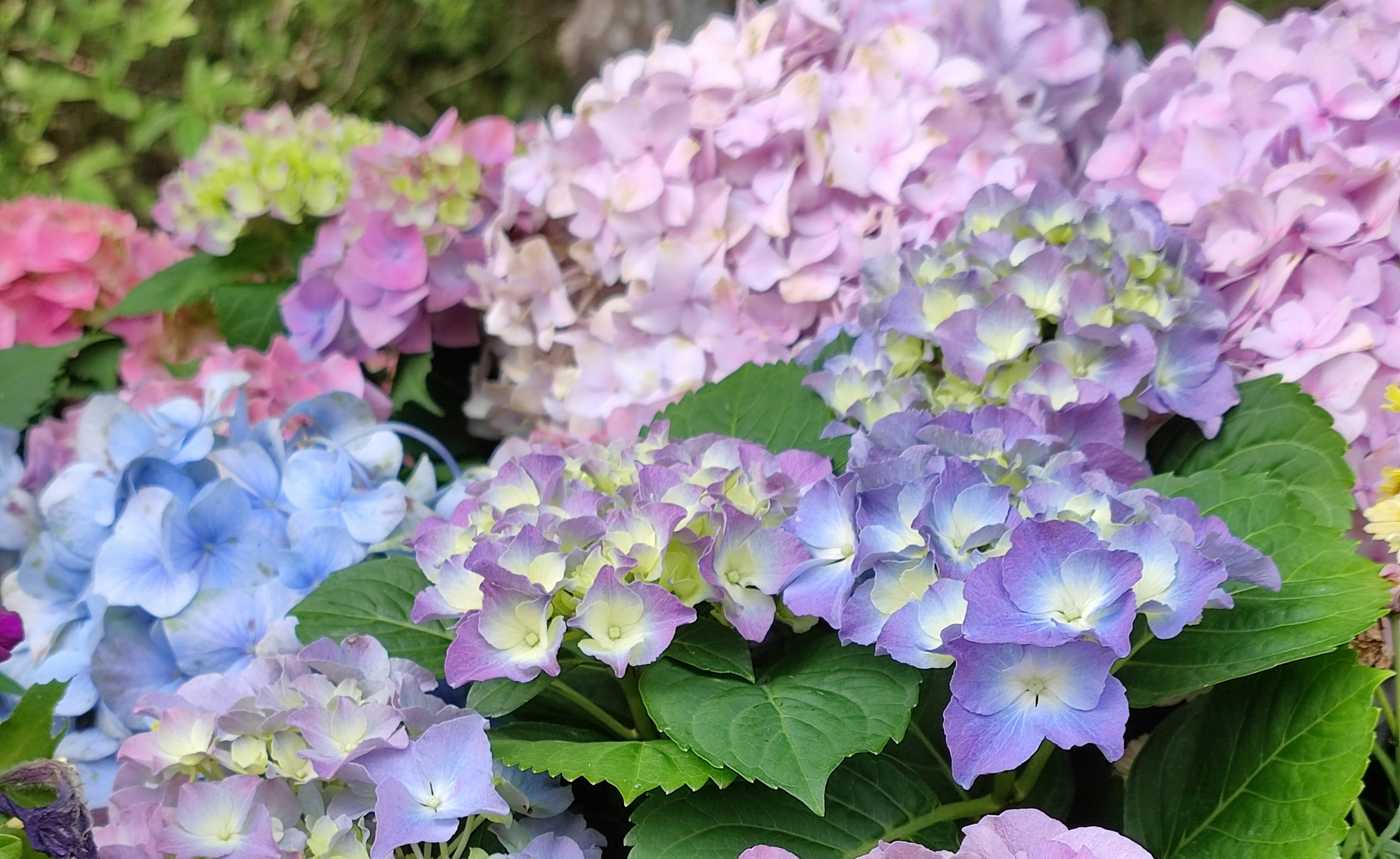
- Hydrangea is a perennial shrub
- Pollinators, especially bees and butterflies, are attracted to the “lacecap” type hydrangea blossom as it provides a space to land while they gather nectar
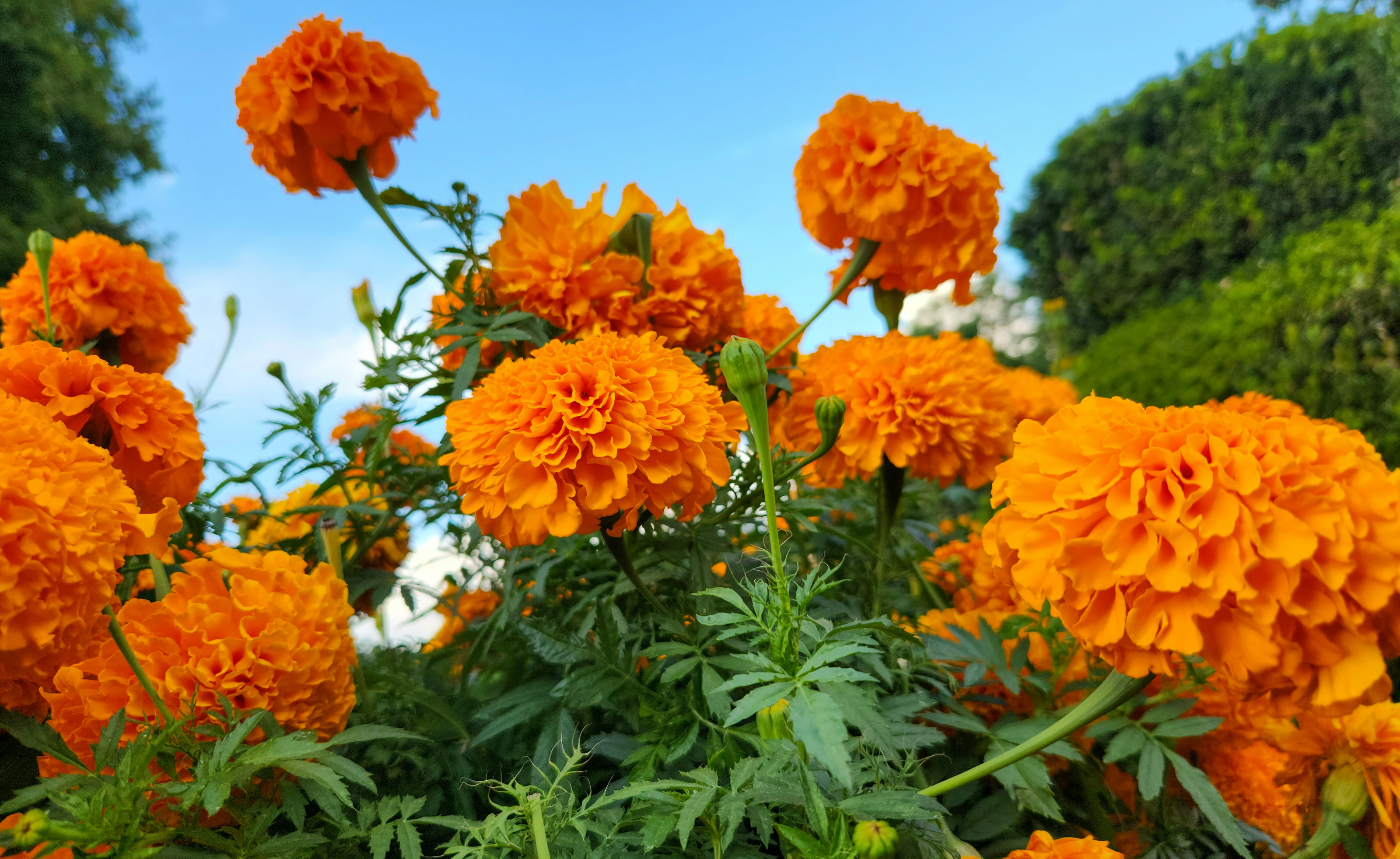
- Marigold is an annual flower in the Pacific Northwest
- Marigolds usually bloom until frost
- Some varieties naturally repel destructive insects and pests from nearby plants while others attract beneficial insects to prey on harmful bugs
- Marigolds are the ultimate “companion” plant, especially for tomatoes
- Many T. tenuifolia marigolds are edible
- Marigolds are an important symbol used during Day of the Dead festivities
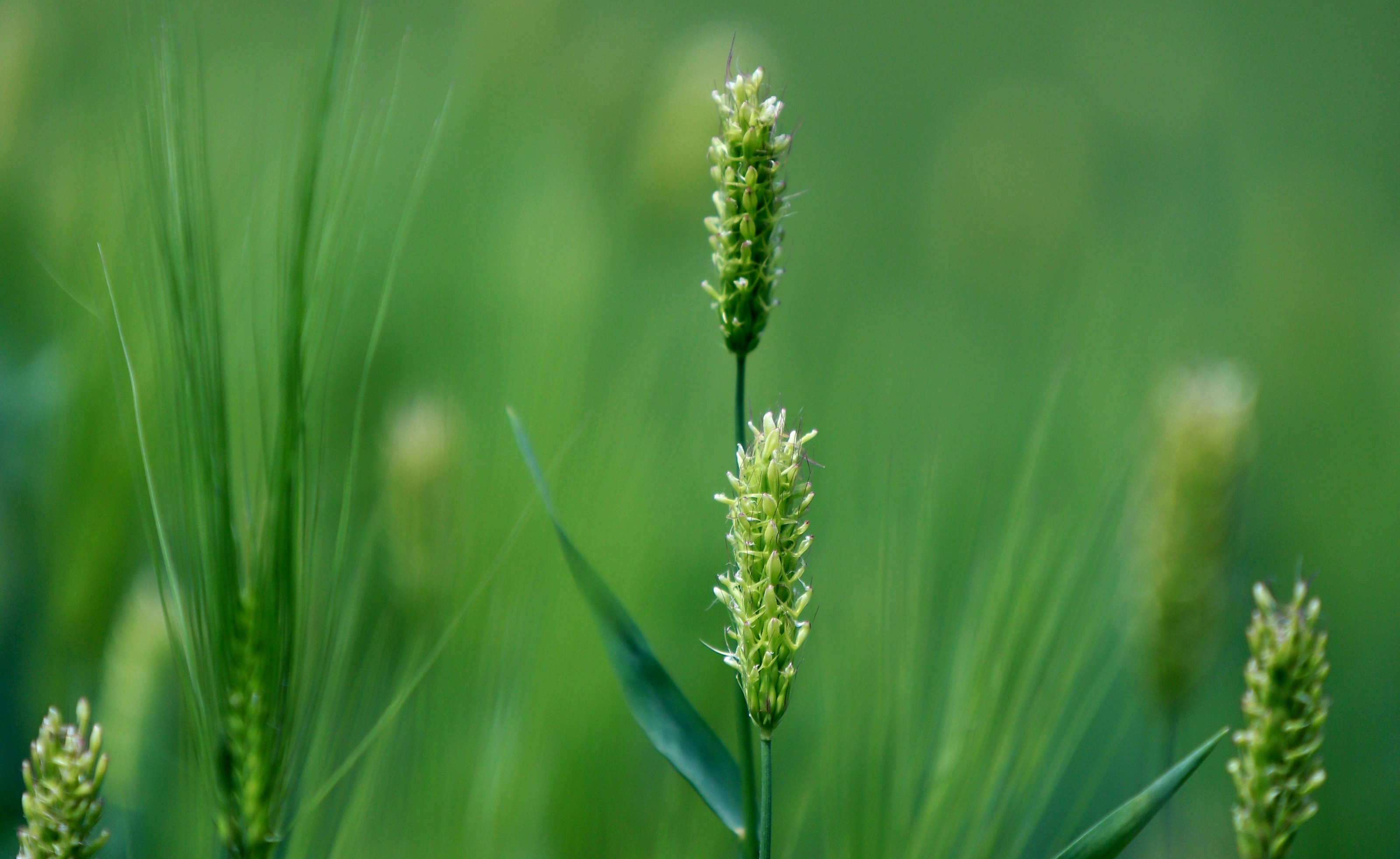
- Sweet Grass is common throughout the northern parts of North America but is difficult to find in cultivation
- Sweet Grass blooms May to August
- Sweet Grass blooms attracts bees, butterflies and hummingbirds
- It is used to make coiled baskets, for incense, or for smudges
- It is a sacred plant to many indigenous people
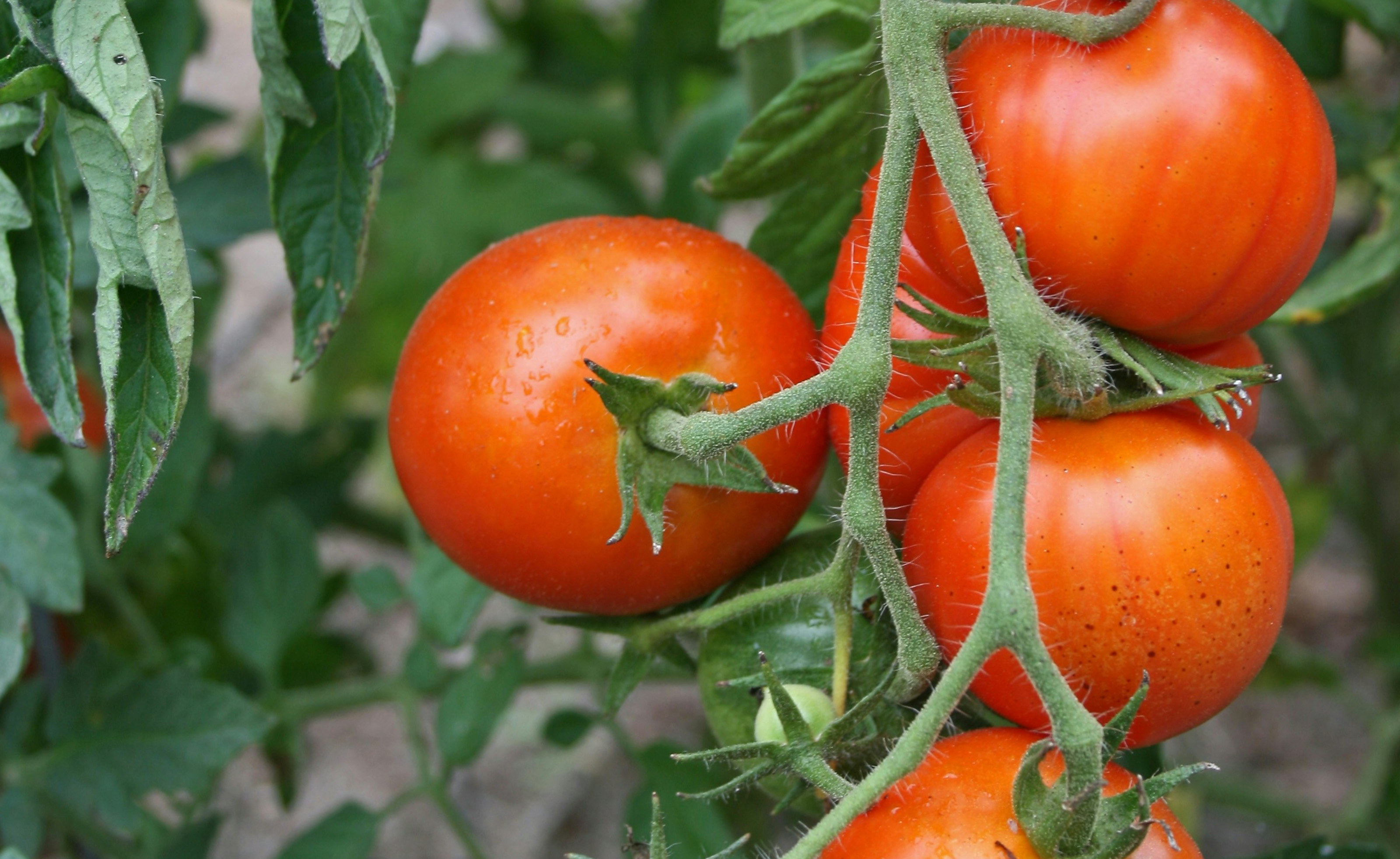
These tomatoes are a guest favorite in the Pollinator Garden at The Farm at SillyVille.
- These are non-GMO tomatoes, developed through traditional breeding techniques at Oregon State University
- These varieties contain high levels of anthocyanin, a naturally occurring antioxidant found in blueberries
- Anthocyanin reveals itself in the vibrant indigo pigmentation of the fruits
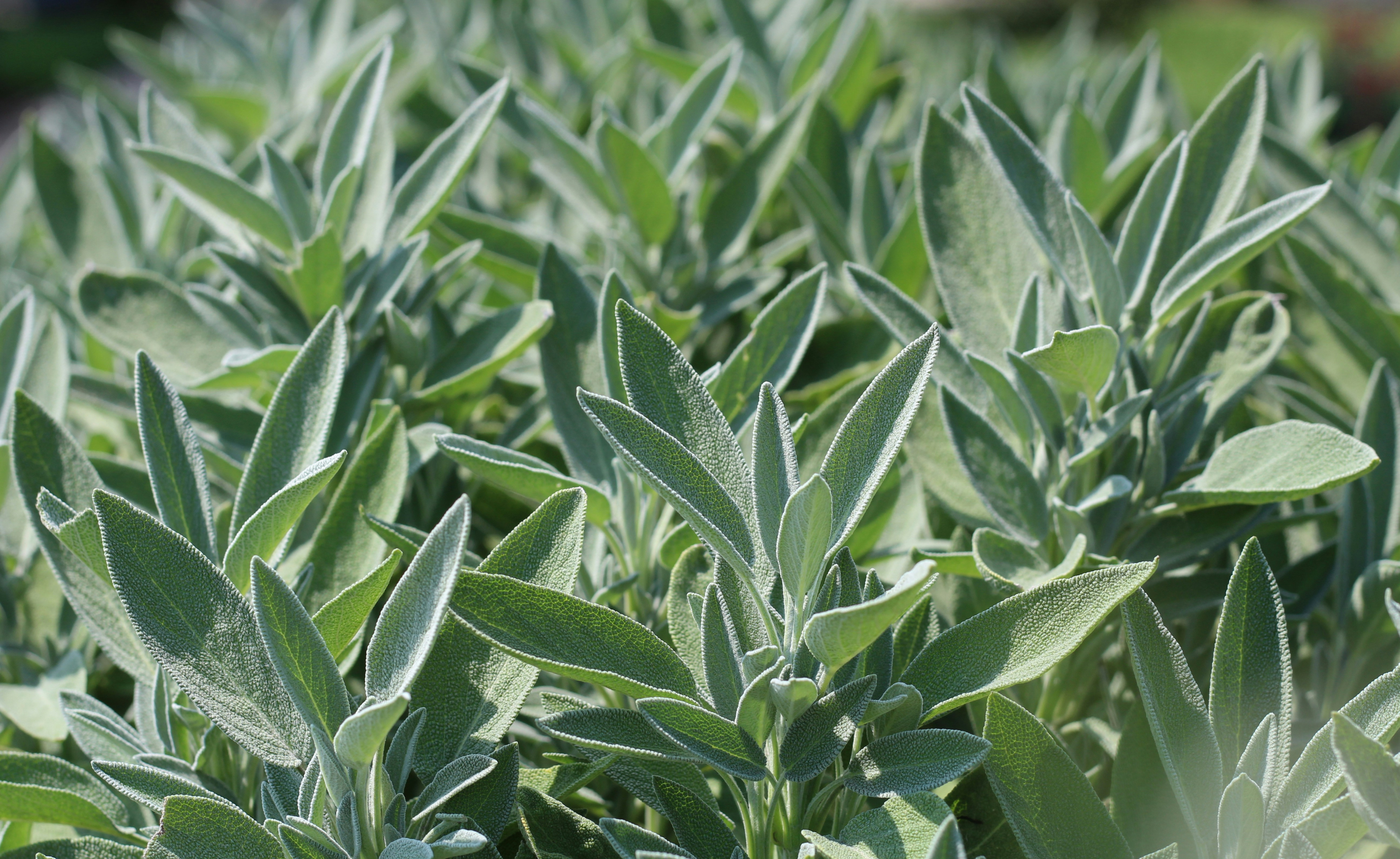
- White Sage is a perennial in southern California, where it is a native plant
- This shrub is a valuable pollinator plant in the garden, blooming in late April-early June.
- White Sage is a drought adapted plant.
- White Sage is deeply rooted in cultures and lifeways of indigenous communities. It is used as incense and for smudging.
- Also known as Bee Sage, Sacred Sage, and Smudge
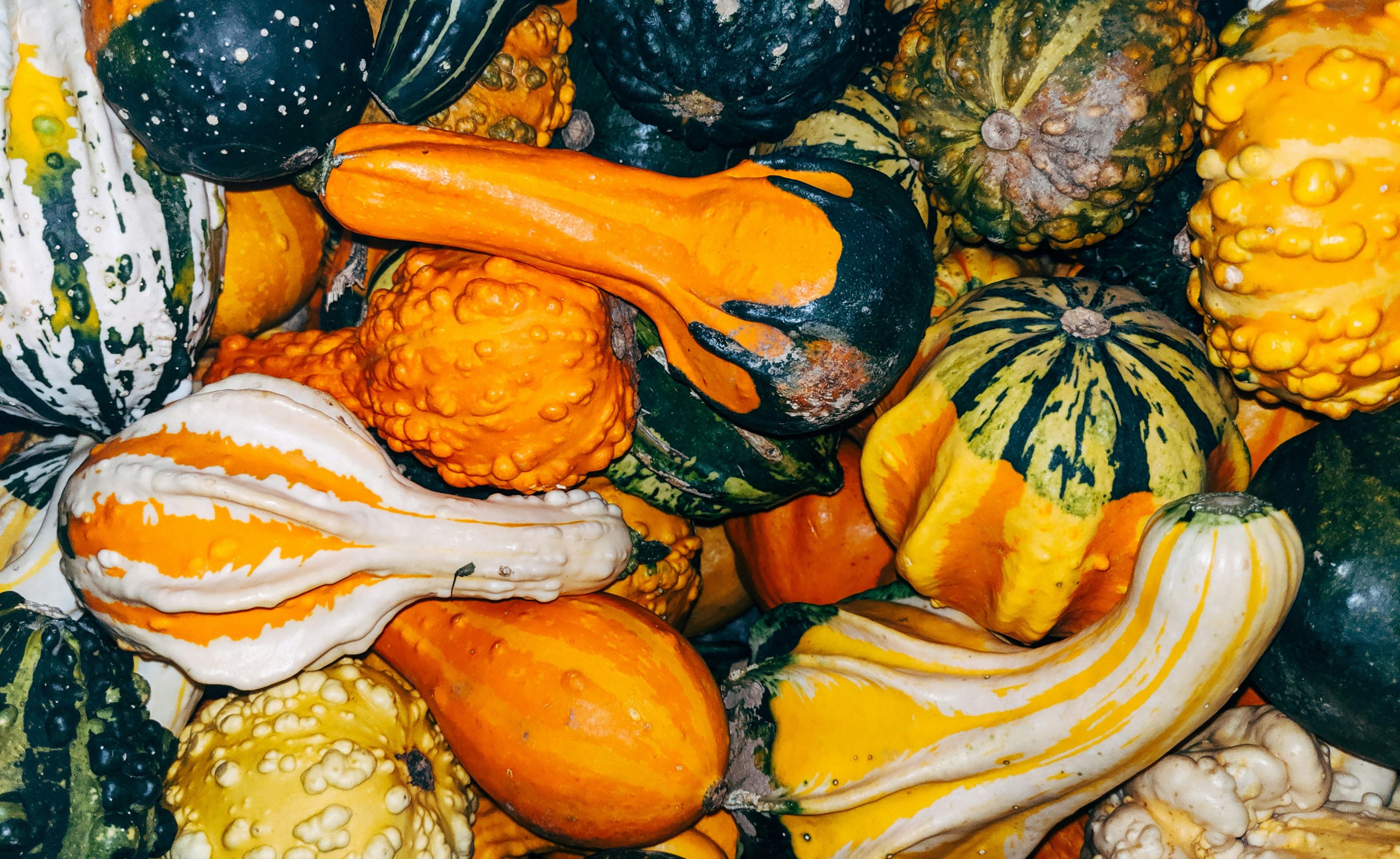
The diverse family of winter squash are nutritional powerhouses, encompassing a wide array of forms, flavors, coloration, and culinary applications. Squash are rich in the carotenoids necessary for vitamin A production and boast a wide complement of amino acids. In addition to the vitamins and minerals, may varieties contain antioxidants that may play a significant role in reducing inflammation.
This variety of squash, Galeux D’eysines, is an elegant French heirloom. The squash is covered with peanut shell-like warts caused by sugar in the skin.
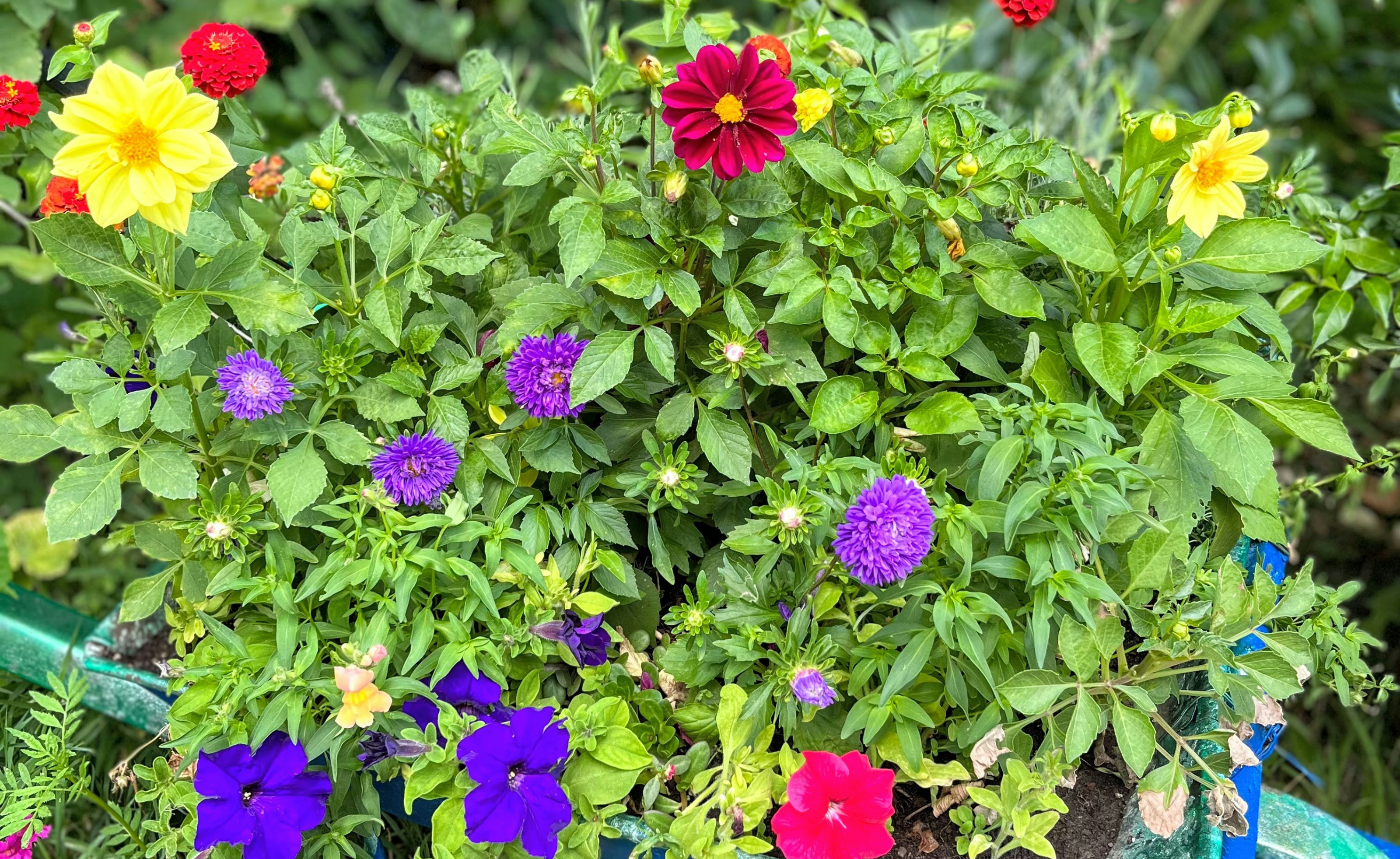
Companion Planting: Strategically grouping different plants together in a garden or planting space to leverage natural interactions between plants to create a mutually beneficial environment that can enhance growth, attract beneficial insects or deter detrimental ones, and/or improve soil health.
There are many plants that benefit from companion planting. Some examples include:
- Marigolds: some marigolds attract beneficial insects, others repel detrimental pests
- Basil: repels detrimental insects
- Garlic: deter pests and protect against diseases
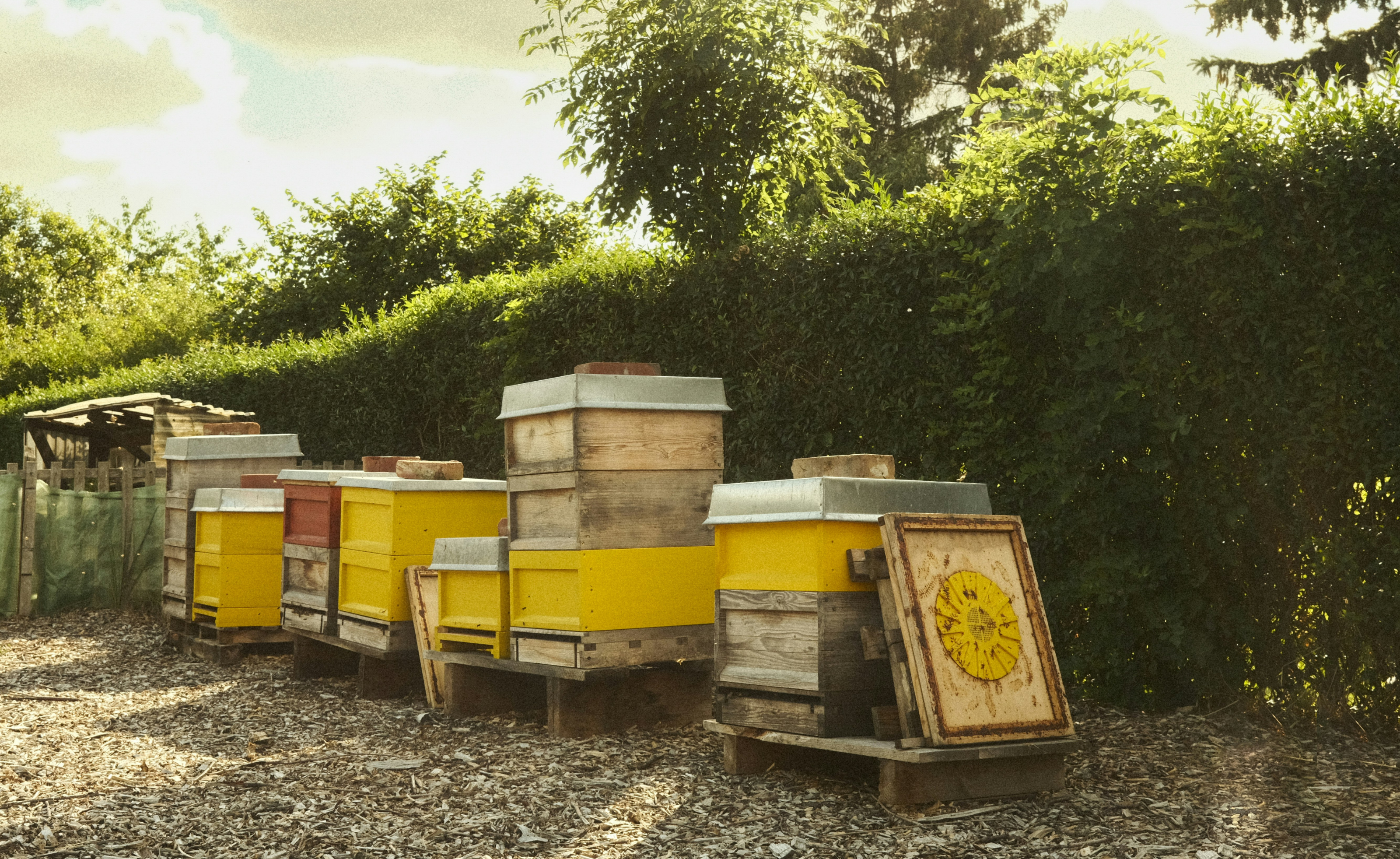
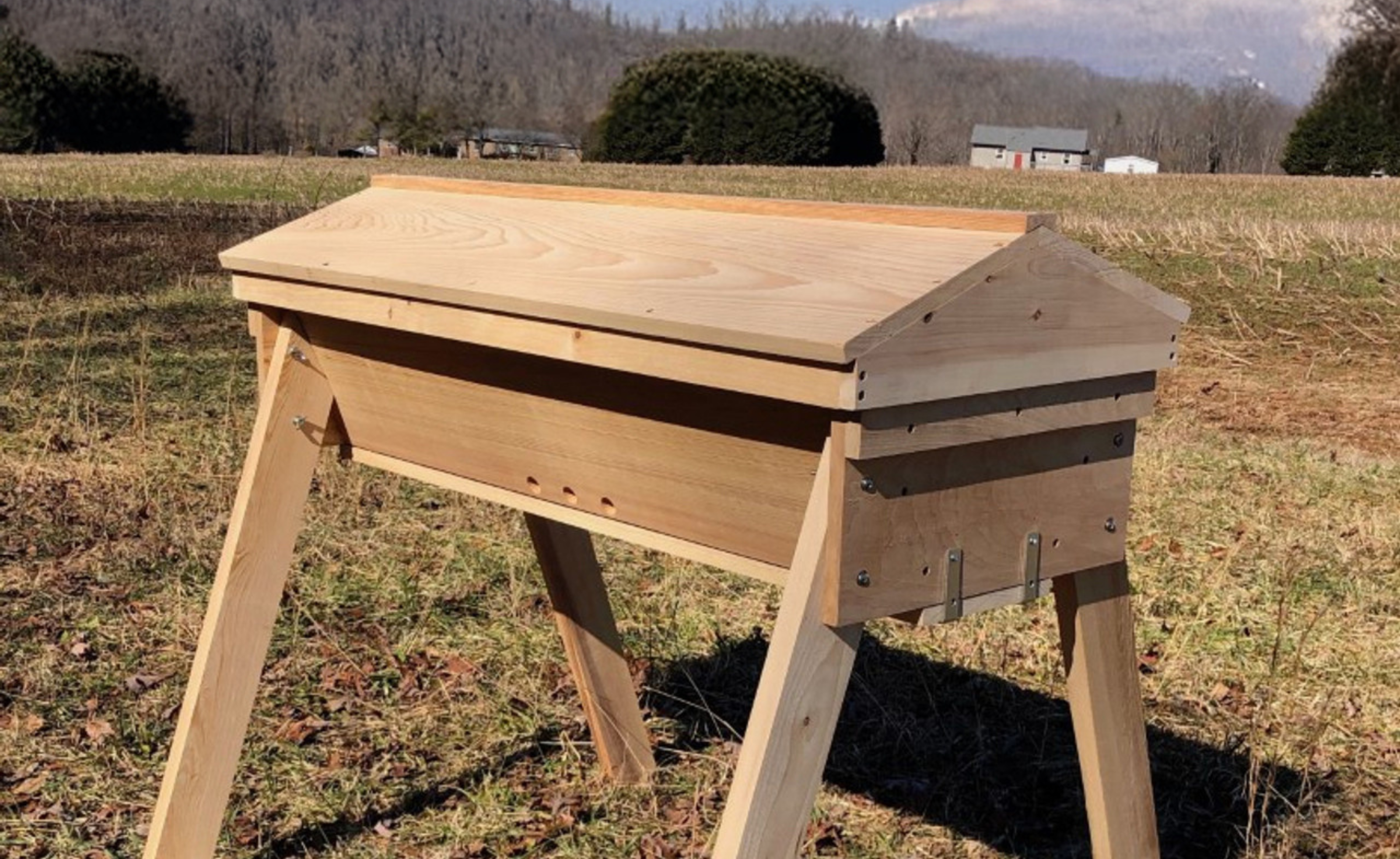
A top bar hive is a beekeeping hive with a horizontal layout. It features removable bars, or "top bars," across the top from which bees build their combs. The bars form a continuous “roof” over the comb, unlike other traditional hives. Top bar hives allow bees to build combs naturally, hanging down from the bars.
A Langstroth hive is a vertical, modular beehive commonly used in North America and some other parts of the world. It's characterized by stacked rectangular boxes. Inside are removable frames in which the bees build comb. It is a standardized design. The key feature is the "bee space," a ⅜-inch gap created by the frames, which bees use to move between combs vertically between the stacked boxes.